Every bite is a moment of happiness: A global tour of classic cream cakes
Cream cakes are perhaps one of the most tender desserts ever invented by humans. No matter what cultural background you come from, you can always find a cream cake that holds a special place in your memories.
It could be a round, multi-layered cake with candles on top for a birthday, a soft and delicate slice of cake on an afternoon tea table, or a white tower symbolizing sweetness and commitment at a wedding ceremony. It is not just a dessert; it is a vessel for emotions: celebration, comfort, reunion, and even a sense of ritual in life.
Today, join me on a journey around the world to see how classic cream cakes from different cultures have captured hearts—every bite is a memory of happiness.
France: The Elegant Soul of the Saint Honoré Cake
When it comes to cream cakes, France is an indispensable destination. The French not only know how to enjoy desserts but also excel at turning them into art. The Saint Honoré Cake is a prime example. Named after the Saint-Honoré street in 19th-century Paris, where bakers gathered, this cake embodies the pinnacle of their craftsmanship.
The base of the Saint Honoré Cake is made of puff pastry, topped with a ring of small cream puffs, each filled with vanilla cream and coated with caramel, arranged neatly in a circle; the center is filled with whipped Chantilly cream, piped into sculptural shapes using a pastry bag.
It emphasizes contrast—crispy and smooth, sweet and slightly salty—with distinct layers of texture, each bite intertwining and transforming on the tongue.
Sitting in a Parisian pastry shop, a slice of Saint Honoré paired with a rich espresso embodies the pinnacle of French pastry aesthetics.
Japan: Light as a cloud, the “fresh cream cake”
If French cream cakes are artistic sculptures, then Japanese fresh cream cakes are like clouds floating in the wind. They appear simple, almost too plain to be plain, yet they embody the Japanese pastry culture's pursuit of “detail” and “texture” to the extreme.
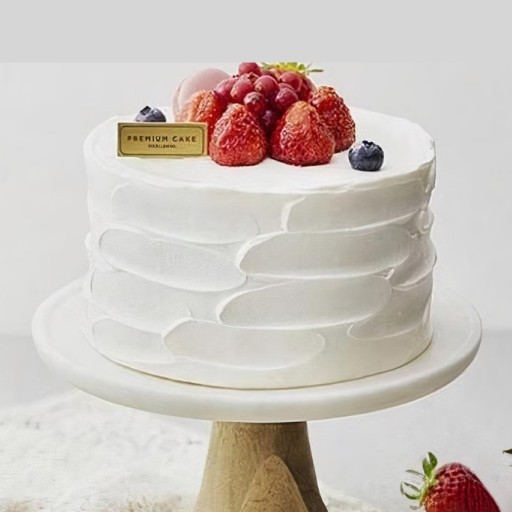
The most classic style is the strawberry cream cake: two layers of soft sponge cake, with fresh strawberries and whipped cream in between, wrapped in a thin layer of cream on the outside, and topped with a few halved strawberries.
It is not overly sweet, but rather a light, creamy, and slightly milky aroma of happiness. Japanese cream cakes often use Hokkaido fresh cream, which has a moderate fat content, whipped to a light and delicate texture, making it almost effortless to eat.
This cake is typically the go-to choice for birthdays, Christmas, and gifts between lovers, and has thus become a staple in Japan's “celebration” culture. Though seemingly simple, it is so Exquisite that it moves the heart.
Germany: The Rich Flavor of Black Forest Cake
Leaving East Asia, we arrive in Germany, where cream cakes take a more intense approach. Black Forest cake (Schwarzwälder Kirschtorte) is almost the ambassador of cakes in German-speaking countries. Its flavor is like the Black Forest in German countryside—deep, layered, and mysterious with a hint of wine aroma.
Traditional Black Forest cake consists of multiple layers of chocolate cake, with whipped cream and cherry jam between each layer. The most crucial step is to soak the cake layers with Kirsch (cherry brandy), allowing the aroma of the liquor and fruit to intertwine, creating its signature rich flavor.
The top layer is sprinkled with chocolate shavings and adorned with red cherries, creating a visual and taste sensation.
In the southern German state of Baden-Württemberg, many families still adhere to their grandmothers' recipes to make this cake. It is not just a dessert but a ritual—it always has a place at festivals, weddings, and family gatherings.
United States: The Romantic Allure of Red Velvet Cake
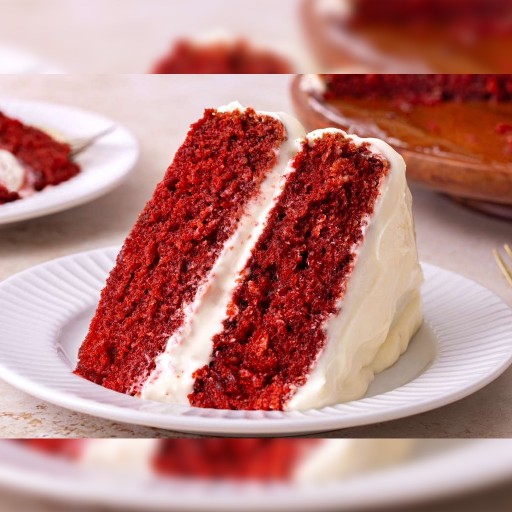
In the United States, if one were to select the cream cake with the strongest festive vibe, it would undoubtedly be the red velvet cake. This classic dessert, originating from the South, features a rich red cake body contrasted with snow-white cream cheese frosting, offering not only exceptional taste but also a visually striking presentation.
Red velvet cake typically uses cocoa powder combined with a small amount of vinegar and buttermilk to create its unique moist texture and softness. The color was once achieved using beetroot juice, but today food coloring is often used to enhance the visual appeal.
Originally symbolizing romance, it has since become a versatile cake for almost all festive occasions: Valentine's Day, Christmas, Thanksgiving, and even graduation ceremonies.
The smooth, tangy, and slightly salty cream cheese frosting prevents the cake from being too sweet, perfectly balancing the rich sweetness of the cake itself. Americans excel at creating bold flavors with cream, and the red velvet cake is their expression of “emotional intensity.”
Middle East and South Asia: The Wonderful Fusion of Cream and Spices
Cream cakes also have their unique flavors in the Middle East and South Asia. For example, in India, people prepare spice-infused cream cakes for weddings or festivals, often incorporating saffron, cardamom, and rose water. Though not a traditional food, Indian baking culture developed rapidly under British colonial influence, seamlessly blending cream cakes with local tastes.
In upscale pastry shops in Dubai, Islamabad, or Mumbai, you can enjoy sponge cakes filled with mango jam and rose cream, some versions even sprinkled with pistachio pieces or adorned with gold leaf, showcasing luxury and exotic flair. They are not merely “delicious”; they are a culinary journey that reminds you of the miracle of cultural fusion.
Latin America: The Moist Sweet Dream of Tres Leches Cake
In Latin America, tiramisu or mousse are not as deeply ingrained as Tres Leches Cake. Originating in Central America, it later swept across the entire Latin American world, becoming a staple at family gatherings or birthday celebrations.
The base of the Tres Leches Cake is a light sponge cake made with whipped eggs. After baking, it is completely soaked in a mixture of three dairy products—condensed milk, evaporated milk, and whole milk. This “wet cake” has a uniquely delicate texture that melts in your mouth without collapsing, with a rich milk aroma that is not overpowering.
The surface is typically covered with a thin layer of cream, sometimes adorned with fruits or sprinkled with cinnamon powder.
Taking a bite feels like returning to childhood, in Grandma's kitchen, with sunlight streaming through the window, and a neatly sliced, milk-soaked cake on the table. Yes, this feeling is one definition of “happiness.”
Behind every bite lies a lifestyle attitude
Have you noticed that cream cakes from different cultures are not just about variations in recipes, but also reflect locals' understanding of “sweetness,” their definition of “celebration,” and their attitude toward “life”?
France emphasizes delicate layers, Japan pursues lightness and finesse, Germany prefers richness and wine aroma, the US is bold and unrestrained, the Middle East infuses tradition with luxury, and Latin American countries wrap the entire cake in a creamy aroma like a mother's love. These differences are what make travel and cuisine so captivating.
So, the next time you spot a uniquely shaped cream cake in a pastry shop on a foreign street, why not give it a try? What you’re eating isn’t just a combination of cream and cake—it’s the world telling you: life can be sweet.
Cream cakes are not just desserts; they are carriers of emotions, culture, and memories, and a tangible expression of the abstract concept of “happiness.”
From Tokyo to Paris, from Berlin to Mexico City, this global journey through cream cakes teaches us that no matter how different languages, borders, or backgrounds may be, people can always find a similar sense of fulfillment in a soft, creamy cake.
May you also stumble upon a good cake on a certain afternoon in your life. That bite is not just sweet; it is the gentlest embrace in the world.
 1
1 1
1OTHER NEWS
-
- Is German manufacturing losing its edge? The latest casualty of the US-China strategic rivalry
- By ZXY 29 Jul,2025

-
- Watch out for the Following Credit Card Scams!
- By Wendy 24 Apr,2023

-
- The widening U.S. fiscal deficit is fueling debt concerns
- By ZXY 30 Jul,2025

-
- What does the upgraded regulation of digital currencies mean to investors?
- By ZH 25 Jul,2025

-
- What do you Mean by Mortgage? What Does it Mean to Have a Mortgage?
- By Little Grapes 24 Apr,2023

-
- "Buy Now, Pay Later" is changing the consumer finance landscape: a payment revolution spreading around the world
- By ZH 25 Jul,2025

-
- How much longer can the eurozone hold out? The ECB has reached the end of its rate hike cycle
- By ZXY 01 Aug,2025

-
- Credit card points and rewards seem cost-effective, but they actually hide these traps
- By ZXY 01 Sep,2025

-
- Gold surges to a new all-time high—what are investors afraid of?
- By ZXY 29 Jul,2025

-
- How to Avoid Being Scammed by Credit Card Fraud!
- By Wendy 24 Apr,2023

-
- Do small businesses really need tax services? When can they file their own taxes?
- By YCY 27 Jan,2026

-
- Why Do Most People Overlook “Cash Flow Risk”?
- By ZXY 11 Oct,2025