Bitcoin Plunges 10% — What Drives the Sell-Off?
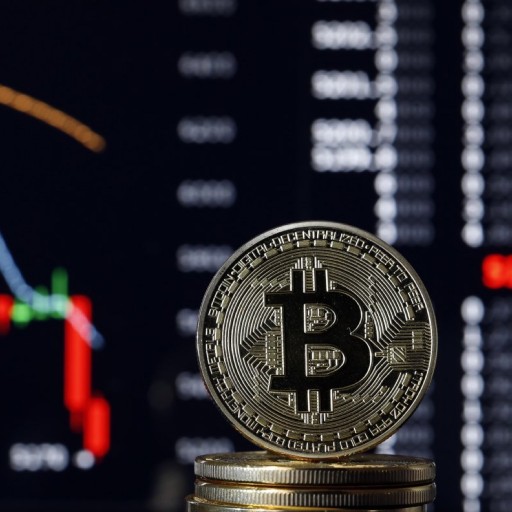
In recent days, the cryptocurrency market has witnessed a significant sell-off, with Bitcoin, the flagship digital asset, experiencing a sharp 10% drop in price.
This sudden decline has sent shockwaves through the market, triggering widespread panic among investors and raising questions about the factors driving this sell-off. In this article, we delve into the dynamics behind Bitcoin's recent price plunge, examining the key catalysts that have fueled the market's downturn.
Macroeconomic Factors
1. Global Economic Uncertainty
The global economic landscape remains fraught with uncertainty, with inflationary pressures mounting and central banks adjusting their monetary policies in response. In 2025, as economies grapple with the aftermath of the COVID-19 pandemic and geopolitical tensions, investors are becoming increasingly risk-averse.
Bitcoin, often viewed as a high-risk asset, has borne the brunt of this shift in sentiment. As investors seek safer havens for their capital, Bitcoin's price has come under pressure, leading to a wave of selling.
2. Interest Rate Hikes and Liquidity Concerns
One of the primary drivers of Bitcoin's sell-off has been the anticipation of interest rate hikes by major central banks, particularly the Federal Reserve. As inflation rates rise, central banks are under pressure to tighten monetary policy, raising interest rates to curb inflation. Higher interest rates make borrowing more expensive, reducing the amount of liquidity in the market.
This, in turn, leads to a decrease in demand for risk assets like Bitcoin, as investors shift their focus to more stable investments that offer guaranteed returns.
3. Trump's Tariff Policies and Trade Tensions
In 2025, the Trump administration's tariff policies have once again come under scrutiny, with critics arguing that they are exacerbating global trade tensions and contributing to economic instability. The imposition of tariffs on various goods and services has increased the cost of international trade, squeezing corporate profit margins and dampening economic growth.
This uncertain economic environment has made investors more cautious, leading to a reduction in their exposure to Bitcoin and other cryptocurrencies.
Regulatory Developments
1. Stricter Cryptocurrency Regulations
Governments around the world are increasingly cracking down on the cryptocurrency market, citing concerns over financial stability, money laundering, and illegal transactions. In 2025, several countries have introduced stricter regulations, limiting the trading and use of cryptocurrencies.
For instance, some nations have banned financial institutions from participating in cryptocurrency-related activities, while others have imposed stringent regulatory requirements on cryptocurrency exchanges. These regulatory measures have dampened demand for Bitcoin, as investors worry about the future of the cryptocurrency market.
2. Regulatory Uncertainty
The regulatory landscape for cryptocurrencies remains uncertain, with governments and regulatory bodies still grappling with how to best regulate this emerging asset class.
This uncertainty has led to increased volatility in the cryptocurrency market, as investors are hesitant to commit capital amid fears of potential regulatory crackdowns. The lack of clear regulatory guidelines has also made it difficult for institutional investors to enter the market, further limiting demand for Bitcoin.
Market Sentiment and Investor Behavior
1. Fear and Panic Selling
The sudden drop in Bitcoin's price has triggered a wave of fear and panic selling among investors. As prices plummet, investors are more likely to sell their holdings to avoid further losses, exacerbating the market's downturn.
This behavior is often driven by emotional factors rather than rational analysis, leading to a self-fulfilling prophecy where falling prices trigger more selling, further driving down prices.
2. Leverage and Margin Calls
The cryptocurrency market is known for its high levels of leverage, with many investors using borrowed funds to amplify their returns. However, this strategy also increases the risk of margin calls, where investors are forced to sell their holdings to meet margin requirements as prices decline.
The recent sell-off in Bitcoin has triggered a wave of margin calls, leading to a cascade of selling that has accelerated the market's decline.
3. Social Media and News Influence
Social media and news outlets play a significant role in shaping investor sentiment and driving market movements. Negative news coverage and social media posts can quickly spread panic among investors, leading to a rush to sell. Conversely, positive news can trigger buying frenzies, driving prices higher.
In the case of Bitcoin's recent sell-off, negative news coverage and social media sentiment have likely contributed to the market's downturn, as investors react to headlines and rumors.
Technical Factors and Market Structure
1. Miner Selling and Exchange Inflows
Data from blockchain analytics firms has shown a significant increase in Bitcoin inflows to exchanges in the days leading up to the sell-off. This suggests that miners and other large holders may be selling their holdings, either to take profits or to reduce their exposure to the market. The influx of Bitcoin onto exchanges has increased selling pressure, contributing to the market's decline.
2. Whale Activity and Market Manipulation
The cryptocurrency market is notorious for its concentration of wealth, with a small number of "whales" holding significant amounts of Bitcoin. These whales have the power to manipulate prices by buying or selling large quantities of Bitcoin, triggering market movements.
In the case of the recent sell-off, some analysts have speculated that whales may have been selling their holdings to trigger panic selling among retail investors, allowing them to buy back Bitcoin at lower prices.
3. Technical Resistance Levels
Bitcoin's price has faced significant resistance at key technical levels in recent weeks, with the 90,000and85,000 marks proving to be particularly challenging for bulls. As prices approached these levels, selling pressure increased, leading to a breakdown below support. This technical breakdown has likely contributed to the market's downturn, as investors interpret it as a sign of weakness.

Institutional and Retail Investor Dynamics
1. Institutional Flight to Safety
Institutional investors, including hedge funds, pension funds, and endowments, have been increasingly active in the cryptocurrency market in recent years. However, as the market has turned volatile, many institutional investors have opted to reduce their exposure to Bitcoin and other cryptocurrencies, seeking safer havens for their capital.
This flight to safety has contributed to the market's sell-off, as institutional investors sell their holdings to rebalance their portfolios.
2. Retail Investor Sentiment
Retail investors, who make up a significant portion of the cryptocurrency market, have also been affected by the recent sell-off.
Many retail investors have entered the market in recent years, attracted by the promise of high returns. However, as prices have plummeted, many of these investors have suffered significant losses, leading to a decrease in confidence and a reduction in their exposure to the market. This decrease in retail investor participation has further exacerbated the market's downturn.
Conclusion and Outlook
Bitcoin's recent 10% drop in price is the result of a complex interplay of macroeconomic factors, regulatory developments, market sentiment, technical factors, and institutional and retail investor dynamics.
The global economic uncertainty, interest rate hikes, and trade tensions have created a challenging environment for Bitcoin, while stricter regulations and regulatory uncertainty have dampened demand for the cryptocurrency.
Market sentiment, driven by fear and panic selling, has further accelerated the market's decline, while technical factors and market structure have contributed to the sell-off.
Looking ahead, the outlook for Bitcoin remains uncertain. While some analysts believe that the market may recover in the coming months, others are more cautious, citing the potential for further regulatory crackdowns, economic instability, and market volatility.
For investors, it is essential to remain vigilant and to carefully consider the risks and rewards associated with investing in Bitcoin and other cryptocurrencies. By staying informed and adopting a disciplined approach to investing, investors can navigate the challenges of the cryptocurrency market and position themselves for success in the long term.
 1
1 1
1OTHER NEWS
-
- Is German manufacturing losing its edge? The latest casualty of the US-China strategic rivalry
- By ZXY 29 Jul,2025

-
- Watch out for the Following Credit Card Scams!
- By Wendy 24 Apr,2023

-
- The widening U.S. fiscal deficit is fueling debt concerns
- By ZXY 30 Jul,2025

-
- What does the upgraded regulation of digital currencies mean to investors?
- By ZH 25 Jul,2025

-
- What do you Mean by Mortgage? What Does it Mean to Have a Mortgage?
- By Little Grapes 24 Apr,2023

-
- "Buy Now, Pay Later" is changing the consumer finance landscape: a payment revolution spreading around the world
- By ZH 25 Jul,2025

-
- How much longer can the eurozone hold out? The ECB has reached the end of its rate hike cycle
- By ZXY 01 Aug,2025
-
- Credit card points and rewards seem cost-effective, but they actually hide these traps
- By ZXY 01 Sep,2025

-
- Gold surges to a new all-time high—what are investors afraid of?
- By ZXY 29 Jul,2025

-
- How to Avoid Being Scammed by Credit Card Fraud!
- By Wendy 24 Apr,2023

-
- Do small businesses really need tax services? When can they file their own taxes?
- By YCY 27 Jan,2026

-
- Why Do Most People Overlook “Cash Flow Risk”?
- By ZXY 11 Oct,2025