Red blood streaked skin, should you repair the barrier first or moisturize first?
In the world of skin care, red blood streaked skin has always been a headache for countless people. Redness, stinging, dryness, and "peeling" or "small rashes" can cause embarrassment and helplessness. Many people's first reaction to this skin condition is: "Hurry up and moisturize!"
But the result is often - why is it getting redder the more you apply it? The more you moisturize, the more sensitive it is? What is the problem?
Today we will analyze in depth a key point that many people ignore: red blood streaked skin, should you repair the skin barrier first or moisturize first?
1. What is the matter with red blood streaks? It's not as simple as "thin skin"!
Many people mistakenly believe that red blood streaks mean that the skin is too thin, but this is actually a misunderstanding. The real causes of red blood streaks are varied, including:
Damaged stratum corneum barrier: external stimuli can more easily reach the capillaries, causing redness, swelling and fever.
Capillary dilation: Due to the disorder of vascular regulation, the capillaries "float" on the surface of the skin.
Chronic skin inflammation: rosacea, seborrheic dermatitis, etc. may cause red blood streaks.
Frequent exfoliation/use of acid products: long-term damage to the stratum corneum makes the barrier fragile.
Therefore, red blood streaks are not a simple "surface problem", but a comprehensive reflection of the imbalance of multiple factors such as the skin barrier, blood vessels, and nerves.
2. Red blood streaks are not a simple "vascular problem", but the skin barrier is "calling for help"!
Many people think that red blood streaks are "very obvious blood vessels" or "too thin skin". Although this statement makes sense, it is not complete. The real root cause is actually a problem with the skin barrier function.
The skin barrier is like a "protective wall", composed of the stratum corneum, lipid layer and natural moisturizing factor, which is responsible for locking water and resisting external stimuli.
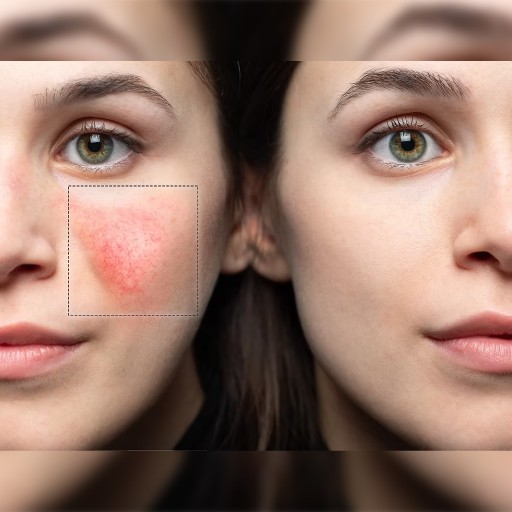
When this wall is destroyed, the skin will become dry, fragile, and prone to allergies-at this time, external stimuli (such as wind, sunlight, cold and hot changes) will directly "invade" the skin, causing capillary dilation, and then the familiar "red blood streaks" phenomenon will appear.
Therefore, red blood streaks are the "alarm signal" of damaged skin barrier, not a single vasodilation problem.
3. Many people only know how to moisturize, but ignore the "repair" link!
Moisturizing is of course important, especially for dry skin with red blood streaks. But if you ignore the most fundamental barrier repair and just "water" the skin, it's like pouring water into a leaky cup - it's useless.
What's worse is that if the moisturizing product contains irritating ingredients, such as alcohol, artificial fragrances, fruit acids, and even certain preservatives, it may accelerate the damage of the barrier and make the red blood streak problem worse.
So the conclusion is clear: repair the barrier first, then moisturize well, in order to fundamentally relieve the symptoms of red blood streaks
4. How to determine whether your skin barrier is damaged?
The following symptoms indicate that your barrier function has already turned on the red light:
Tightness and stinging after washing the face, even itching or small rashes
Redness and heat when the cold wind blows in winter
Using skin care products often "stings", feeling "nothing can be used"
The skin is prone to oiliness, but at the same time feels dry
Red blood streaks are obvious and irregularly distributed
If you are hit, then congratulations, you have found the root of the problem-you are not simply "sensitive skin", but the barrier has problems!
5. Repair the barrier, three core ingredients are indispensable!
To repair the barrier, ingredients are the key. The following ingredients are the saviors of "red blood streaks":
Ceramide
It is an important component of the skin's lipid layer, which can effectively fill the cell gaps, restore the "brick wall structure", and enhance the ability to lock water.
Squalane
A natural emollient that can help the skin build a protective film, while being light in texture and not clogging pores.
Glycerin + Hyaluronic Acid
These are high-quality moisturizers that provide lasting moisture during the repair process and relieve dryness and discomfort.
In addition, some soothing and anti-allergic ingredients such as purslane, Centella asiatica, and oat extracts are also very suitable for erythroderma.
Note: Do not choose products containing fragrances, alcohol, and A acid, otherwise it will only make things worse.
6, the correct skin care order: repair first, moisturizing as a supplement
If you want your skin to return to a "stable state", the skin care steps must be organized:
Gentle cleansing: Use amino acid cleansing products with a pH value close to the skin to avoid excessive cleansing.
Repair essence: Choose essences containing repair ingredients such as ceramide and squalane to "rebuild the defense line" in basic care.
Soothing and moisturizing: Use a single-ingredient, fragrance-free moisturizing lotion or cream to help the skin lock in moisture and stabilize the state.
Sunscreen is essential: erythroderma is particularly sensitive to light, so you must use physical sunscreen every day to reduce ultraviolet stimulation.
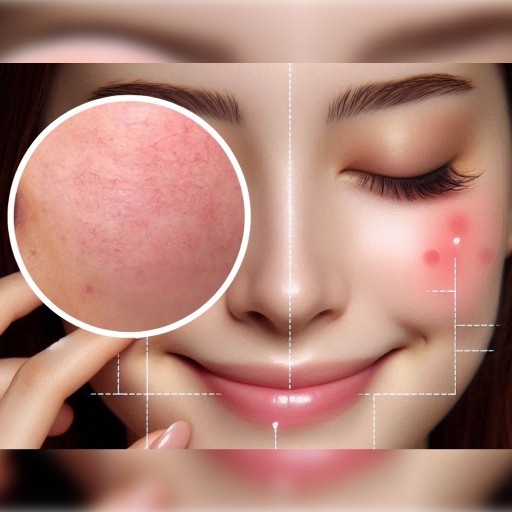
Only when the barrier is properly repaired, moisturizing will become effective, and the skin can truly "drink water".
Conclusion: Red blood streaks are "repaired", not "painted"!
When facing red blood streaks, don't blindly pursue "hydration emergency". What can really help you get rid of the redness is a systematic repair strategy. When you stabilize the barrier first and build a healthy skin base, moisturizing will become more effective, and red blood streaks will gradually go away.
Remember one sentence: repair first, then moisturize, is the skin care rhythm that is truly suitable for red blood streaks.
Your skin is not glass, it just needs you to treat it more gently and scientifically.
 1
1 1
1OTHER NEWS
-
- Mobile phone is the bank: one-click account opening, one-click financial management, digital financial life is coming
- By ZH 24 Jul,2025

-
- What do you Mean by Mortgage? What Does it Mean to Have a Mortgage?
- By Little Grapes 24 Apr,2023

-
- Watch out for the Following Credit Card Scams!
- By Wendy 24 Apr,2023

-
- The widening U.S. fiscal deficit is fueling debt concerns
- By ZXY 30 Jul,2025

-
- Credit card points and rewards seem cost-effective, but they actually hide these traps
- By ZXY 01 Sep,2025

-
- Yield Curve Inversion Resurfaces: Is There Still Hope for a Soft Landing in the U.S. Economy?
- By ZXY 31 Jul,2025

-
- High-yield stocks vs. growth stocks: Which type of investment is more resistant to risks? A game of wealth defense and offense
- By ZH 23 Jul,2025

-
- Is German manufacturing losing its edge? The latest casualty of the US-China strategic rivalry
- By ZXY 29 Jul,2025

-
- How to Effectively Manage Debt: Strategies for Balancing Payments and Savings
- By YCY 07 Jan,2026

-
- With China's exports declining, is the global consumption chain beginning to break?
- By ZXY 31 Jul,2025

-
- Should you Choose a Real Estate Agent When Buying a Home?
- By Wendy 24 Apr,2023

-
- Can the AI sector continue to drive the tech stock rally?
- By ZXY 30 Jul,2025