The hottest diet trends in 2025, have you followed them?
From the kitchen to the supermarket, from social media to the fitness plate, diet trends are changing at an unprecedented speed. 2025 is only halfway through, and we can already clearly see that a "diet revolution" is happening. This is not only about changes in ingredients and cooking methods, but also reflects people's new understanding of health, sustainability and quality of life.
Below, we have sorted out the 7 most popular and fastest-growing diet trends in 2025. Whether you are a life lover of food or a fitness enthusiast who pays attention to health, you can find inspiration from them.
1. Plant protein 2.0: Not just a substitute, but the protagonist
In the past few years, plant-based diets have continued to heat up, but the plant protein trend in 2025 has evolved from "replacing meat" to "defining the table." The new generation of plant protein sources is more diverse. In addition to soybeans and peas, it also includes mung beans, quinoa, mushrooms, and even fermented algae.
The market is no longer heavily processed foods such as "imitation burgers" or "plant chicken nuggets", but purer and less added natural plant protein foods. For example, protein powder made from fermented chickpeas and instant energy bowls made from beetroot are becoming bestsellers in mainstream supermarkets.
2. The comprehensive revival of fermented foods: for intestinal health and flavor
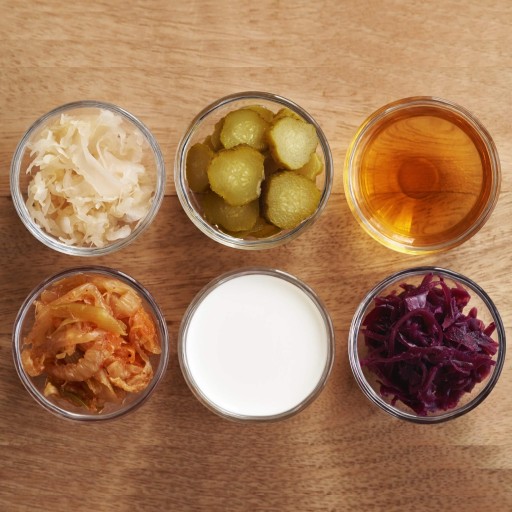
Sauerkraut, kimchi, and kombucha are no longer niche foods. In 2025, "fermentation" will become a keyword in the kitchen. Consumers no longer only pursue high protein and low carbon water, but focus on "eating smoothly" and "relaxing the intestines".
New fermented products are emerging in an endless stream: such as fermented soy milk yogurt, probiotic whey cheese, fermented chili sauce, edible fermented dietary fiber, etc. Some brands even launched "custom fermented food subscription boxes" to recommend different combinations based on the user's intestinal flora.
Fermentation not only aids digestion, but also gives food a richer aroma and complex flavor. More and more restaurants are also incorporating fermented elements into main dishes and desserts.
3. Blood sugar-friendly diet: control is not restriction, but a new freedom
With the popularization of continuous glucose monitoring (CGM) devices, "sugar control diet" has moved from diabetic people to a general health trend.
The blood sugar-friendly diet in 2025 emphasizes "low glycemic rise but high satisfaction", such as protein-rich oatmeal breakfast cups, cold brew coffee with added complex dietary fiber, energy balls made with low GI sweeteners, etc.
More and more restaurants and food brands provide "blood sugar-friendly" labels, allowing consumers to identify risky foods at a glance. On social platforms such as TikTok and Instagram, "stable sugar matching" and "CGM challenge recipes" are becoming hot topics.
4. New forces in nutrition technology: precision diet moves towards daily life
In 2025, nutrition technology officially moved from professional medical care to the public kitchen. Genetic dietary recommendations and metabolic assessment results began to determine "what and how people eat".
Emerging brands launched nutritional supplement combinations based on DNA testing, customized beverages for trace elements, and even "time-based" lunch boxes that combine rest and hormone levels.
Although science is not yet fully mature, consumers' acceptance of personalized and functional diets is rapidly increasing. Many people are no longer satisfied with "low fat and high protein", but are looking for "tailor-made for me" menu solutions.
5. Frozen food turns around: healthy, convenient, and without sacrificing taste
For a long time, frozen food has been considered "not fresh and less nutritious". But in 2025, frozen food is returning to the family table with a new image.
Modern freezing technology not only locks in nutrients, but also preserves texture and flavor. A new generation of frozen healthy meals, plant-based instant bowls, pre-made fermented soup bags and other products have emerged in large numbers, and are deeply loved by busy office workers and fitness enthusiasts.
At the same time, frozen fruits and vegetables have also changed from "spare" to "preferred", because they are often fresher and more nutritious than fruits and vegetables that have been stored on supermarket shelves for several days.

6. Sustainable diet moves from "concept" to "practical"
Environmental sustainability is no longer just brand promotion, but an actual indicator of consumer choice. In 2025, European and American consumers pay more attention to the impact of eating behavior on climate, land and water resources.
For example, "carbon footprint labels" are becoming a standard feature of mainstream brands, and consumers can choose food combinations with lower environmental burdens according to the labels. Protein sources are shifting from animals to new solutions such as seaweed, insect protein, and fermented protein.
In addition, avoiding waste has also become an important factor in the selection of household ingredients. Content such as "whole root vegetable utilization", "edible packaging", and "leftovers become staple food" frequently appear on social platforms.
7. "Deliciousness first" returns: In addition to health, food should also be enjoyable
In the past few years, function and nutrition seem to have dominated the food industry, but in 2025 we see a renewed emphasis on "deliciousness" itself.
More and more chefs are working with nutritionists to launch dishes that are both healthy and delicious. Consumers are beginning to reject "grazing" fat-reducing meals and instead look for "satisfying" healthy recipes. "Light versions" of classic dishes are also more popular, such as low-oil pasta, air-fried crispy chicken, and low-sugar tiramisu.
This trend emphasizes that eating is not only fuel for the body, but also a daily pleasure. Deliciousness and nutrition are no longer opposites, but can be obtained at the same time.
The dietary trends in 2025 show a clear signal: people are no longer blindly pursuing "eating less" or "extreme control", but are moving towards a more scientific, personalized, pleasant, and sustainable direction.
If you are in the process of diet transformation, you might as well start from any of the above points: try a fermented salad, pay attention to a blood sugar response, or unlock a new frozen healthy meal brand. Dietary innovation starts with the choice of every meal.
Are you ready?
 1
1 1
1OTHER NEWS
-
- High-yield stocks vs. growth stocks: Which type of investment is more resistant to risks? A game of wealth defense and offense
- By ZH 23 Jul,2025

-
- Can the AI sector continue to drive the tech stock rally?
- By ZXY 30 Jul,2025

-
- Fixed deposits are not as good as flexible financial management? Analysis of financial management trends in 2025
- By ZH 24 Jul,2025

-
- What do you Mean by Mortgage? What Does it Mean to Have a Mortgage?
- By Little Grapes 24 Apr,2023

-
- The widening U.S. fiscal deficit is fueling debt concerns
- By ZXY 30 Jul,2025

-
- Real Estate Investment Needs to be Careful!
- By Little Grapes 24 Apr,2023

-
- Trump reignites tariff war, global supply chains face another shakeup
- By ZXY 28 Jul,2025

-
- "Buy Now, Pay Later" is changing the consumer finance landscape: a payment revolution spreading around the world
- By ZH 25 Jul,2025

-
- Gold surges to a new all-time high—what are investors afraid of?
- By ZXY 29 Jul,2025

-
- Credit card points and rewards seem cost-effective, but they actually hide these traps
- By ZXY 01 Sep,2025

-
- Mobile phone is the bank: one-click account opening, one-click financial management, digital financial life is coming
- By ZH 24 Jul,2025

-
- How to Avoid Being Scammed by Credit Card Fraud!
- By Wendy 24 Apr,2023