Different Home Loans for Buying a Home in the USA
A buy-to-let loan, also known as a 'mortgage' is a loan for the purchase of homes and other properties, which is provided by a bank to buyers to cover the difference between the down payment and the actual price of the house. Of course there are different types of home loans to choose from and knowing how to choose the right home loan can help buyers avoid paying more in interest charges. So what type of 'home loan' is right for you when applying for a home mortgage in the USA? You may wish to read the following article carefully to help you.
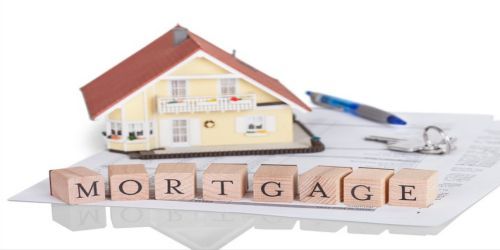
I. Basic Home Loan Types
(1) Fixed-Rate Mortgage: A fixed-rate mortgage is usually for a term of 15 to 30 years, and only the interest rate on the loan remains fixed for the life of the loan. The fixed rate and the interest rate on the loan remain the same so that the buyer's monthly payment remains the same. So for most of the general public, a fixed-rate home loan is your best option.
(2) Adjustable-Rate Mortgage (ARM): This is an adjustable rate mortgage, which is usually adjusted every 6-12 months, but may change from month to month. When interest rates generally rise, then the buyer's interest rate will rise, resulting in an increase in the total amount the buyer will have to pay. There is a lot of uncertainty and a high degree of risk involved.

(3) Federal Housing Authority (FHA): FHA loans are guaranteed by the government and have very detailed mortgage criteria, which require low credit scores and down payments. As long as you meet the requirements of these criteria, homebuyers will be able to apply for and receive a loan from the FHA. It exists primarily to support low and moderate income homebuyers and is not intended to help buyers at the higher end of the market.
(4) Department of Veterans Affairs Loan: This is for housing and assistance for veterans and their families. It usually does not require a down payment and has the lowest interest rates compared to other loan types.

(5) Interest-only mortgage: This loan was only introduced at the beginning of the 21st century and, unlike other loans, you only have to pay a very low amount at the beginning of your loan, as the initial payment only includes interest and no principal repayment. However, at the end of the interest-only period (usually five to ten years), the homeowner's repayments can increase considerably, as both principal and interest are included.

 1
1 1
1OTHER NEWS
-
- How do I Choose Between Selling my Home and Renting it out?
- By Wendy 24 Apr,2023

-
- Global manufacturing is slowing down in tandem. When will deflation strike?
- By ZXY 01 Aug,2025

-
- With China's exports declining, is the global consumption chain beginning to break?
- By ZXY 31 Jul,2025

-
- Fixed deposits are not as good as flexible financial management? Analysis of financial management trends in 2025
- By ZH 24 Jul,2025
-
- The widening U.S. fiscal deficit is fueling debt concerns
- By ZXY 30 Jul,2025

-
- "Buy Now, Pay Later" is changing the consumer finance landscape: a payment revolution spreading around the world
- By ZH 25 Jul,2025

-
- Trump reignites tariff war, global supply chains face another shakeup
- By ZXY 28 Jul,2025

-
- Yield Curve Inversion Resurfaces: Is There Still Hope for a Soft Landing in the U.S. Economy?
- By ZXY 31 Jul,2025

-
- Is German manufacturing losing its edge? The latest casualty of the US-China strategic rivalry
- By ZXY 29 Jul,2025

-
- How much longer can the eurozone hold out? The ECB has reached the end of its rate hike cycle
- By ZXY 01 Aug,2025

-
- Mobile phone is the bank: one-click account opening, one-click financial management, digital financial life is coming
- By ZH 24 Jul,2025

-
- How to Avoid Being Scammed by Credit Card Fraud!
- By Wendy 24 Apr,2023